
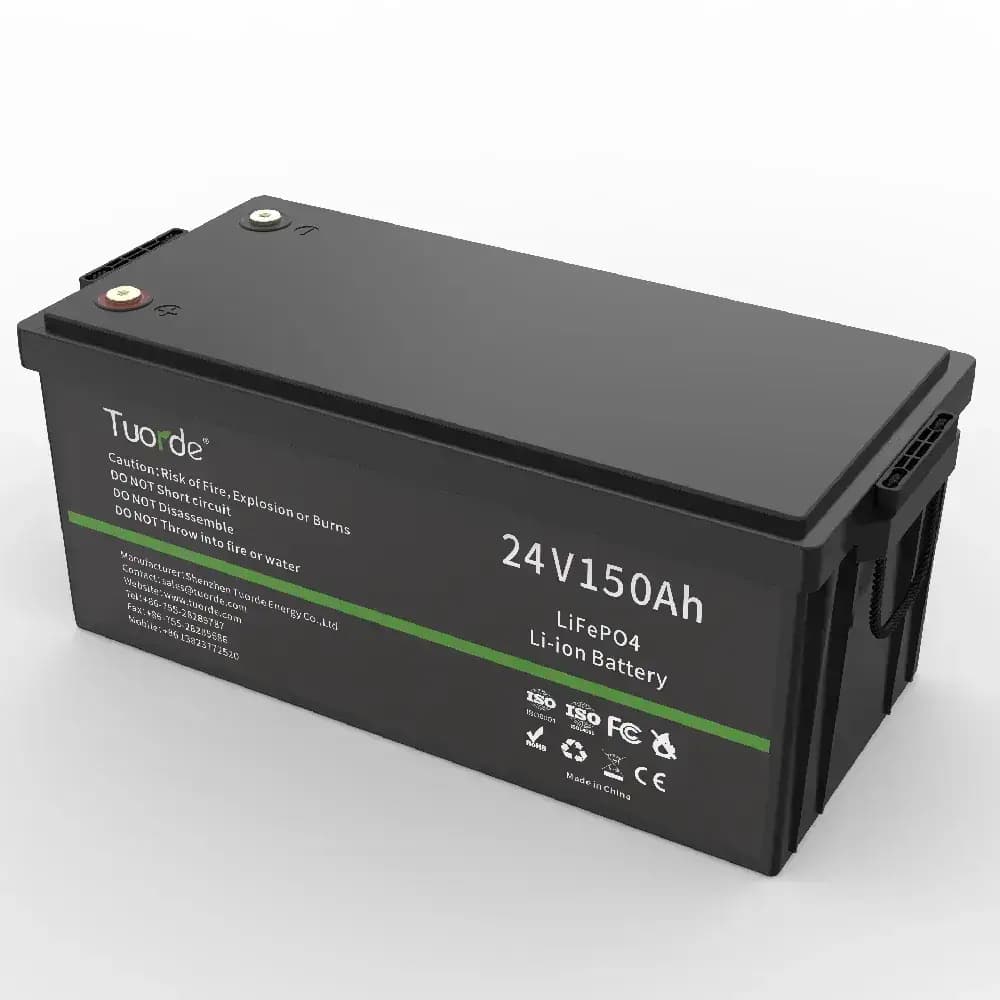
Introduction
As the demand for efficient and reliable energy storage solutions increases, many businesses are considering lead-acid replacement batteries. Transitioning to more advanced battery technologies, such as lithium-ion batteries, can enhance efficiency and reduce total cost of ownership. This guide outlines a procurement checklist and RFQ preparation tips for businesses seeking lead-acid replacement batteries.
Understanding Lead-Acid Replacement Batteries
Lead-acid replacement batteries generally feature improved energy density, longer cycle life, and reduced maintenance compared to traditional lead-acid options. When considering a transition, it is essential to evaluate several key specifications to ensure the chosen solution fits your operational needs.
Key Specifications to Consider
1. **Voltage**
- Confirm the voltage requirements for your application. Common configurations include 12V, 24V, and 48V, depending on system design.
2. **Capacity**
- Assess the capacity requirements measured in Amp-hours (Ah). This will determine how long the battery can sustain your operations before requiring a recharge.
3. **Battery Management System (BMS)**
- Evaluate the BMS features that manage the battery's charging and discharging processes, ensuring safety and longevity. Look for:
- Overvoltage and undervoltage protection
- Temperature monitoring
- State of charge indicators
4. **Physical Size and Weight**
- Ensure the battery dimensions and weight align with your installation requirements. Consider space constraints and any handling equipment that may be necessary.
5. **Certifications and Compliance**
- Check for relevant certifications that may be required for your industry, such as ISO standards or CE marking, ensuring that the product meets safety and quality regulations.
6. **Cycle Life and Warranty**
- Review the expected cycle life, which indicates how many charge and discharge cycles the battery can undergo before its capacity significantly declines. Warranties can provide insights into reliability and manufacturer confidence in their products.
Preparing the RFQ
An effective Request for Quotation (RFQ) is crucial in obtaining competitive bids from potential suppliers. Here are steps to consider when preparing your RFQ:
1. Define Your Requirements
- Specify the desired specifications, including voltage, capacity, and any necessary certifications.
- State your intended application and performance expectations clearly to potential suppliers.
2. Quantity and Delivery Timeline
- Indicate the number of units required and any deadlines for delivery. This helps suppliers plan their production and logistics accordingly.
3. Request Additional Information
- Ask for details regarding:
- Pricing structures, including bulk discounts
- Lead times and production capabilities
- Warranty terms and after-sales support
4. Include Technical Documentation
- Request technical data sheets and installation manuals to better understand the product's specifications and requirements.
5. Evaluation Criteria
- Clearly outline how bids will be evaluated. Consider factors such as price, reliability, delivery schedule, and service support.
Conclusion
Transitioning to lead-acid replacement batteries can provide significant operational advantages. By carefully assessing your requirements and preparing a thorough RFQ, you can ensure a smoother procurement process.
Consider browsing related Browse related Tuorde products available through Tuorde Energy for a comprehensive range of lithium battery products tailored to various applications. If you're ready to explore options or need a structured quote, feel free to Request a structured quote with your specific requirements.
For more information on our manufacturing capabilities capabilities or to explore our full suite of products, visit our site.