
Introduction
In recent years, industries have been transitioning from lead-acid batteries to lithium alternatives due to their enhanced performance and efficiency. For businesses considering this shift, understanding the procurement process and preparing a Request for Quotation (RFQ) is essential. This guide outlines a practical checklist to aid in the procurement of lead-acid replacement batteries, focusing on critical specifications and considerations.
Understanding Lead-Acid Replacement Batteries
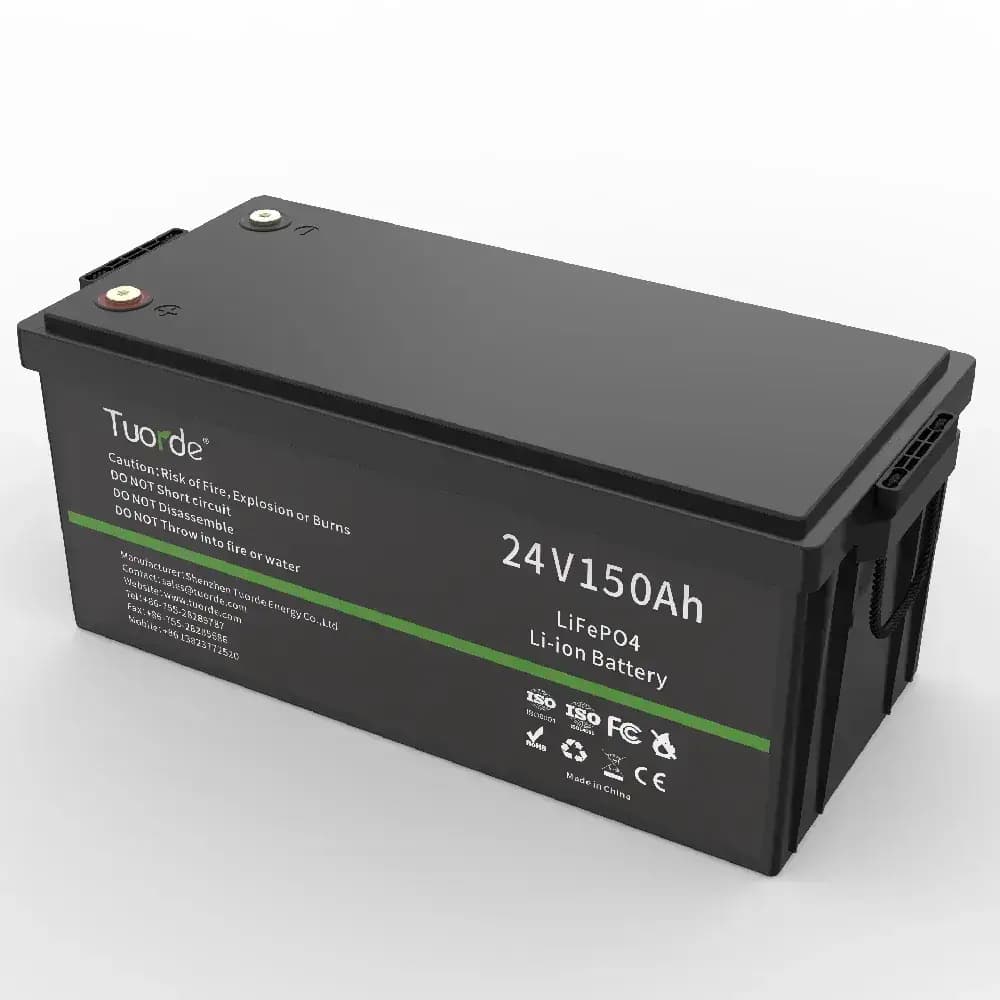
Lead-acid replacement batteries are designed to provide similar or improved performance compared to traditional lead-acid systems. They often feature lithium-ion technology, which can offer advantages such as:
- **Higher Energy Density**: More energy stored in a smaller size.
- **Longer Lifespan**: Reduced need for replacements over time.
- **Lower Maintenance**: Less frequent maintenance compared to lead-acid systems.
Procurement Checklist for Lead-Acid Replacement Batteries
When preparing to procure lead-acid replacement batteries, consider the following factors:
1. Voltage Requirements
- Determine the voltage specifications needed for your application. Common voltages for lithium batteries include 12V, 24V, and 48V. Ensure compatibility with existing systems.
2. Capacity Considerations
- Assess the capacity (Ah) required to meet your operational needs. Evaluate the energy demands of your application to choose the appropriate battery size.
3. Battery Management System (BMS)
- A robust BMS is crucial for monitoring battery health and performance. Ensure the battery includes:
- **Cell Balancing**: To maintain uniform charge across cells.
- **Temperature Monitoring**: To prevent overheating and improve longevity.
- **Protection Features**: Such as overcharge, over-discharge, and short-circuit protection.
4. Certifications and Standards
- Check for relevant certifications that ensure compliance with safety and performance standards. Common certifications may include UL, CE, or ISO certifications. Verify that the supplier maintains quality management practices in line with industry standards.
5. Environmental Considerations
- Evaluate the environmental impact of the batteries. Look for options that are recyclable or have a minimal carbon footprint during production and disposal.
6. Supplier Reputation
- Research potential suppliers. Consider their experience in manufacturing lithium batteries and their commitment to quality. This can often be assessed through customer testimonials and case studies.
7. Warranty and Support
- Confirm the warranty period offered and the extent of after-sales support. A reliable warranty can protect your investment and ensure assistance if issues arise.
Preparing Your RFQ
Once you have established your procurement needs, the next step is to prepare an effective RFQ. Here are some tips for creating a comprehensive RFQ:
1. **Define Specifications Clearly**: Include detailed descriptions of voltage, capacity, dimensions, and specific features like BMS requirements.
2. **Request Detailed Pricing**: Ask for itemized pricing that includes potential bulk discounts and lead times for delivery.
3. **Include Contractual Terms**: Outline payment terms, delivery schedules, and conditions for returns or exchanges.
4. **Set Evaluation Criteria**: Specify how you will assess the quotations, focusing on aspects such as pricing, delivery, and quality assurance.
5. **Encourage Transparent Communication**: Invite suppliers to ask questions or request clarification on your specifications to ensure they understand your needs.
Conclusion
Transitioning to lead-acid replacement batteries can enhance operational efficiency and reduce long-term costs for businesses. By following this procurement checklist and preparing a structured RFQ, organizations can make informed decisions that align with their operational goals.
To explore a range of options for lead-acid replacement batteries, consider browsing the Browse related Tuorde products at Tuorde Energy. If you are ready to procure, feel free to Request a structured quote to receive a structured quote tailored to your specifications. Understanding your needs today can lead to better solutions for tomorrow.
Find more about our all Tuorde lithium battery products and see how our manufacturing capabilities at manufacturing capabilities can meet your requirements.