
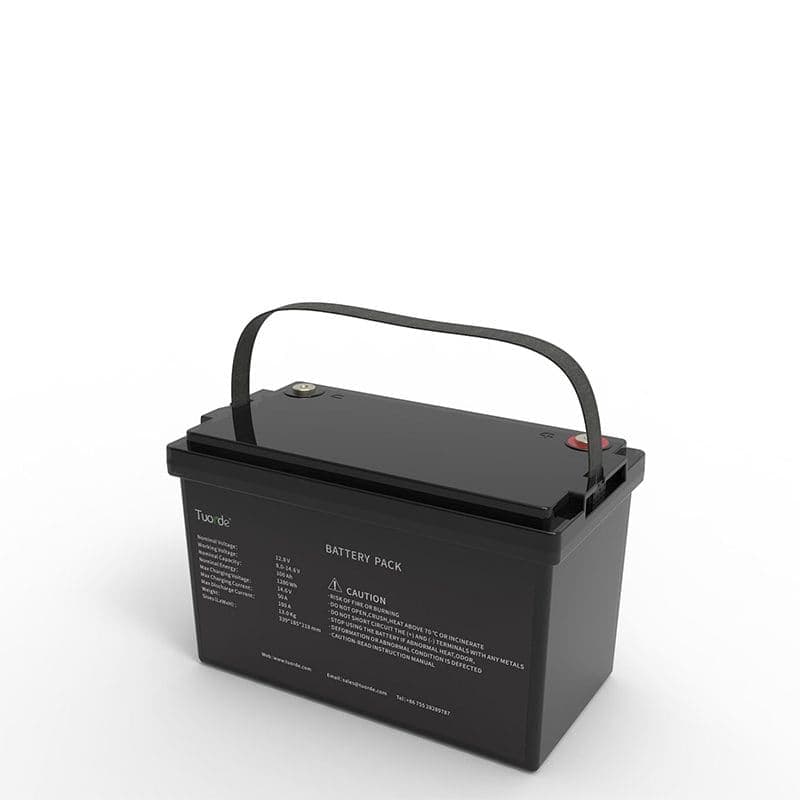
Understanding Medical Device Batteries
The medical device industry relies heavily on lithium batteries to power a wide range of applications. These batteries are essential for devices that require reliable performance and safety, including portable diagnostic equipment, implantable devices, and monitoring systems.
Key Features of Medical Device Batteries
When selecting a lithium battery for medical devices, several important features should be considered:
- **Voltage**: Varying needs across devices dictate the voltage selection; common voltages include 3.7V for smaller devices and higher voltages for larger systems.
- **Capacity**: The capacity, usually measured in milliamp hours (mAh), determines how long a device can operate before the battery requires recharging. For instance, portable ultrasound machines may require batteries with capacities exceeding 2000mAh for extended use.
- **Battery Management Systems (BMS)**: A BMS is crucial for ensuring battery safety and longevity. It monitors battery health, manages charge cycles, and prevents overcharging, which is vital in medical applications to avoid device failures.
- **Certifications**: Compliance with industry standards, such as ISO 13485 for medical devices, ensures that the batteries meet safety and performance requirements.
Real-World Applications
Lithium batteries serve a range of medical applications. Below are some key sectors where these batteries play a critical role:
#### 1. Wearable Health Monitors
Devices like heart rate monitors and glucose meters require lightweight batteries with high energy density. Lithium batteries enable these devices to operate continuously, providing real-time data to users and healthcare providers.
#### 2. Implantable Devices
Implantable devices, such as pacemakers and neurostimulators, benefit from long-life lithium batteries. These batteries often operate at low power but must maintain reliability over several years, necessitating advanced BMS technology to monitor their condition.
#### 3. Diagnostic Equipment
Portable diagnostic tools, such as handheld ultrasound devices, leverage lithium batteries for their lightweight and high-capacity characteristics. A battery with a capacity of 3000mAh may allow for multiple diagnostic sessions before recharging is necessary.
#### 4. Emergency Medical Equipment
In emergency situations, devices like automated external defibrillators (AEDs) require reliable power sources. Lithium batteries can provide the necessary voltage and capacity to ensure these devices are ready for immediate use when needed.
Trends in Battery Usage in Medical Devices
As technology evolves, several trends are emerging in the use of lithium batteries for medical applications:
- **Increased Demand for Miniaturization**: There is a growing need for smaller, lighter batteries that can fit into compact medical devices without compromising performance.
- **Enhanced Energy Density**: Manufacturers are focused on improving energy density to extend the operational time of devices between charges.
- **Sustainability Practices**: The industry is moving towards environmentally friendly practices, including the development of recyclable batteries and more sustainable production methods.
Conclusion
Lithium batteries play a vital role in powering a wide array of medical devices, enhancing their functionality and reliability. Understanding the specifications such as voltage, capacity, and BMS is crucial for manufacturers and developers in the medical field.
For those looking to explore more about medical device batteries, you can Browse related Tuorde products or check out all Tuorde lithium battery products to find suitable options. If you are interested in specific requirements, feel free to Request a structured quote for a structured quote tailored to your needs. Additionally, our manufacturing capabilities capabilities allow us to support various custom battery solutions for diverse applications.