
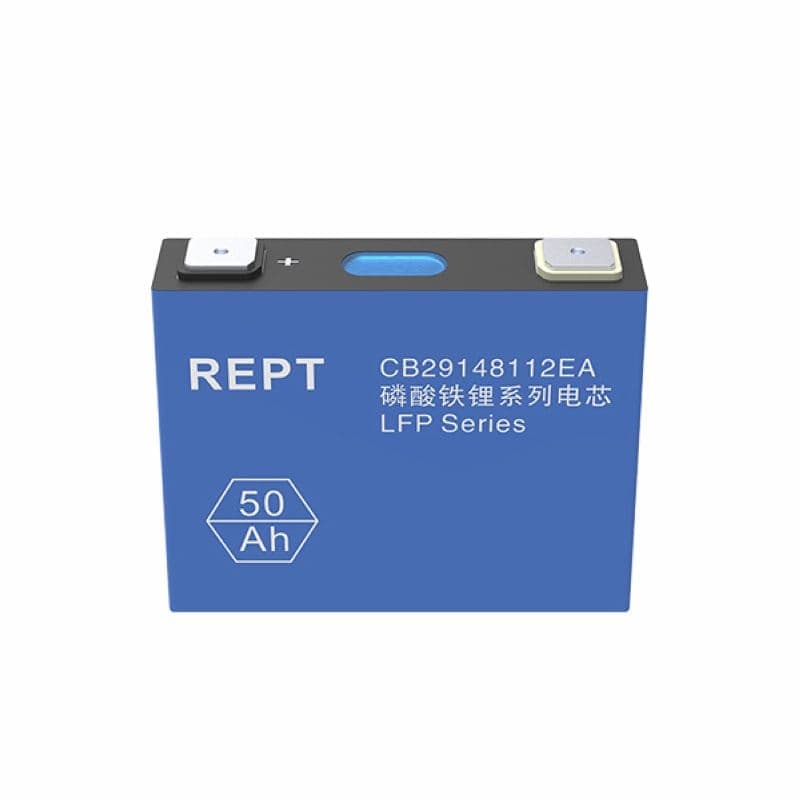
Understanding REPT Cells
REPT cells are gaining traction in various industries due to their specific characteristics that cater to diverse applications. These lithium-based batteries are designed to provide reliable energy solutions. To ensure their safe and efficient operation, key elements such as Battery Management Systems (BMS) and compliance with relevant certifications are crucial.
Importance of Battery Management Systems (BMS)
A BMS plays a critical role in monitoring and managing the performance of REPT cells, ensuring that they operate within safe limits. Here are some of the essential functions of a BMS:
- **Voltage Monitoring:** The BMS continuously measures the voltage levels of each cell, preventing over-voltage and under-voltage conditions that can affect performance and longevity.
- **Temperature Control:** By monitoring the temperature of the cells, the BMS can optimize performance and prevent thermal runaway scenarios, enhancing safety.
- **State of Charge (SOC) Tracking:** Accurately determining the SOC helps in managing the energy distribution and usage of the battery pack effectively.
- **Balancing:** The BMS ensures that all cells within a pack are balanced, which is vital for maximizing the overall capacity and lifespan of the battery.
- **Protection Features:** The BMS also incorporates various protective measures, such as short circuit protection and over-current protection, to safeguard the battery and connected devices.
Certification Compliance Planning
Compliance with industry standards and certifications is essential for REPT cells, as it assures customers of quality and safety. Here are a few key certifications that are often relevant:
- **UN 38.3:** This certification ensures that lithium batteries pass rigorous testing for transport safety, including tests for altitude, temperature, and vibration.
- **IEC 62133:** This standard addresses the safety requirements of portable sealed secondary cells, ensuring that batteries are safe for consumer use.
- **UL 2054:** This certification covers lithium batteries and battery packs intended for household and commercial use, ensuring compliance with safety guidelines.
It's advisable for manufacturers and suppliers to have a clear compliance strategy for REPT cells, focusing on the following:
1. **Understanding Requirements:** Familiarize yourself with the specific regulations that apply to your target markets.
2. **Documentation:** Maintain thorough documentation of testing procedures and results to streamline the certification process.
3. **Continuous Monitoring:** Regularly review compliance status to adapt to any changes in regulations or standards.
4. **Engaging with Experts:** Consider consulting with certification agencies or compliance experts to navigate complex regulations effectively.
Integrating BMS with REPT Cells
To fully utilize the capabilities of REPT cells, it's important to integrate a robust BMS. Here are some considerations for integration:
- **System Compatibility:** Ensure that the BMS selected is compatible with the specific voltage and capacity of the REPT cells in use.
- **Customization:** Depending on the application, customization of the BMS may be required to add specific features that enhance functionality or safety.
- **Testing and Validation:** Conduct thorough testing to validate that the BMS works effectively with the REPT cells to meet performance and safety criteria.
Conclusion
In conclusion, the role of BMS in REPT cells cannot be understated when it comes to ensuring safety, efficiency, and compliance with certification standards. As industries continue to adopt lithium battery solutions, understanding these elements becomes increasingly important for manufacturers and suppliers.
For those interested in exploring more about REPT cells or seeking assistance with Battery Management Systems, consider Browse related Tuorde products or submit a Request a structured quote for our comprehensive range of all Tuorde lithium battery products. With our extensive manufacturing capabilities capabilities, we can support your energy storage needs.